What does ‘tactical adaptability’ look like during a comeback?
In football, the beautiful game is often lauded for its unpredictability. Just when it seems the result is sealed, the tides can turn, and underdogs or trailing teams find a way back into the contest. At the heart of many memorable comebacks lies a subtle, yet profound concept: tactical adaptability. But what does this actually look like in practice, especially under the intense pressure of knockout ties or iconic finals? And how do managers and players respond to shifting game states without falling into the trap of overconfidence — particularly among the favourites?
Football Unpredictability and the Role of Tactical Adaptability
Football is never decided by the starting eleven alone. The axis on which entire matches pivot often involves managerial decisions made as the game unfolds. Changing shape mid-game, introducing substitutions at pivotal moments, or tweaking pressing triggers are all examples of tactical adaptability. These adjustments are a response not only to the opposition but also to the psychological state of one’s own side.
In high-stakes games, the ability to adapt is a key differentiator between teams that collapse and those that stage miraculous comebacks.
Why are comebacks so compelling?
- Momentum shifts: Goals or decisive tactical changes can flip the emotional energy on the pitch.
- Pressure dynamics: The team in front often feels the weight of expectation, leading to nerves or overconfidence.
- Psychological resilience: The chasing side must remain composed yet daring — a nuanced balance of aggression and patience.
Overconfidence and Favourites: The Tactical Trap
One recurring theme in football drama is the idea of the “favourite” team unraveling because of tactical rigidity and complacency. Overconfidence can lead to a reluctance to adapt. Coaches might cling to their initial plan, assuming the match is effectively won — sometimes even at half-time — a pet peeve of mine given how often the match is anything but “over” at 45 minutes.
Overconfidence impacts tactical choices profoundly:
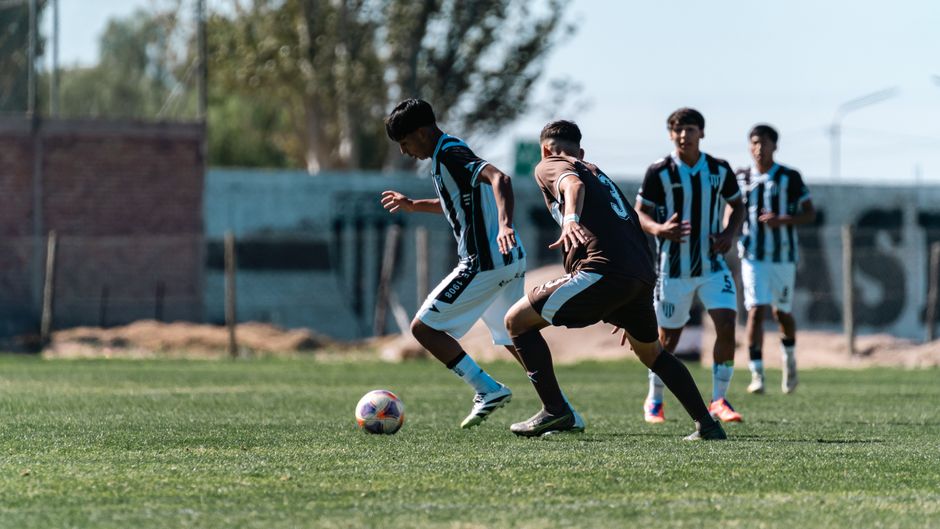
- Late reaction times: A coach slow to change formation or personnel can allow the opposition to gain footholds and momentum.
- Predictability: Sticking stubbornly to the same shape invites pressure and negates surprise elements.
- Emotional complacency: Players may reduce their intensity, thinking the tactical plan guarantees success.
Notable examples include teams leading comfortably in finals, only to suffer crushing late reversals. Tactical adaptability here means constantly reading the game, never becoming satisfied with a fragile lead.
Iconic Finals and Knockouts: Tactical Adaptability in Action
European nights and major tournament finals provide some of the finest case studies of tactical ingenuity changing the course of matches.
Case study 1: 2005 UEFA Champions League Final — Liverpool vs AC Milan
Trailing 11v11.com 3-0 at half-time, Liverpool mounted one of the greatest comebacks in football history to draw 3-3 and eventually win on penalties. Key tactical notes included:
- Shape change: Manager Rafael Benítez switched from a conservative 4-4-1-1 to a more dynamic 3-5-2, flooding central midfield and pushing wingers higher.
- Midfield dominance: The introduction of Dietmar Hamann in the 46th minute changed the midfield balance, breaking Milan’s rhythm and giving Liverpool control.
- Psychological pressure: Milan’s inability to adapt left them exposed as Liverpool grew in belief and intensity.
You know what's funny? the tactical adaptability was not just a technical shift but an emotional spark, igniting the comeback.
Case study 2: 1999 UEFA Champions League Final — Manchester United vs Bayern Munich
Trailing 1-0 until injury time, Manchester United scored two goals in the dying moments to win 2-1. From a tactical standpoint:
- Risk-taking substitutions: Manager Sir Alex Ferguson brought on Teddy Sheringham and Ole Gunnar Solskjær to inject fresh attacking impetus.
- Formation shift: United went from a 4-4-2 to pushing more men forward, taking advantage of Bayern’s defensive posture.
- Game state response: Recognising Bayern’s deep defensive line, United exploited space on the flanks and quick transitions.
This example highlights the importance of substitutions as tactical tools — not just fresh legs but game-changing shape and style.
The Anatomy of a Tactical Comeback
What exactly goes into making a tactic work under pressure during a comeback?
Phase Tactical Action Emotional/ Psychological Impact Example Identifying the problem Changing shape mid-game to plug gaps or exploit weaknesses Regains control, calms anxiety Benítez switching to 3-5-2 in 2005 final Injecting energy Substitutions to freshen attack or shore defence Boosts team belief, disrupts opposition focus Ferguson bringing on attacking subs in 1999 final Adjusting pressing triggers Changing when/where to press based on opponent’s possession Reclaims initiative, creates chances Liverpool’s targeted midfield press in second half 2005 Maintaining composure Not panicking or chasing recklessly despite scoreline Supports consistent performance under pressure Teams holding shape when one goal down late onSubstitutions: More than Fresh Legs
The impact of substitutions on tactical adaptability can be transformative, especially during comebacks. It’s about more than just replacing tired players; it’s about:
- Changing system: A substitute may allow a switch from a defensive to a more attacking formation.
- Psychological boost: New players can energise not only teammates but unsettle the opposition.
- Exploiting fatigue: Fresh defenders or midfielders can close down spaces the opponent relies on.
However, timing is critical. A substitution introduced too late or without clear tactical purpose often fails to shift momentum, which is why experienced managers treat these changes as a delicate balance between game state and player readiness.
Responding to Game State: Fluidity Over Rigidity
Every football match is a living story. The ebb and flow mean teams need fluid tactics that respond to changing circumstances. The best teams embrace:
- Anticipatory thinking: Preparing multiple tactical plans before the match and deciding on-the-fly which to deploy.
- Communication: Real-time instructions from the touchline to adjust pressing lines, defensive shape, or attacking runs.
- Player intelligence: Encouraging players to make micro-adjustments based on what they see, rather than rigidly sticking to orders.
Rigid plans rarely survive the pressure cooker of a knockout fixture or a tough international final. Tactically adaptable teams thrive because they allow themselves the freedom to evolve — not just survive.
Final Thoughts: Tactical Adaptability is as Much Mental as It is Technical
When we talk about tactical adaptability in comebacks, we’re really discussing a blend of:

- Technical changes (formations, pressing, substitutions)
- Emotional intelligence (managing pressure, momentum swings)
- Psychological resilience (avoiding overconfidence or panic)
It’s that combination which separates those unforgettable moments from what might otherwise be predictable outcomes. So next time you witness a late turnaround, remember the unseen dance of tactics and emotion unfolding beneath the surface — the manager’s chess moves and the players’ responses that breathe life back into the contest.
And as a lifelong matchday regular, I’ll say it again: never call a match “over” at half-time. If anything, it’s at that point the true test of tactical adaptability — and a comeback’s latent possibility — truly begins.